Most cars stolen today aren't broken into. Thieves use the car's own electronics to open it and start it, often in under a minute and without a sound. An aftermarket CAN-bus immobiliser adds a second step they don't have.
How cars are stolen now
Relay attacks
Keyless entry cars unlock and start when the key is close by. In a relay attack, one thief stands near your house with a device that picks up the key's signal, and a second device near the car passes it on. The car thinks the key is right beside it, so it opens and starts.
Key programming through the OBD port
Every modern car has a diagnostic (OBD) port under the dashboard. Garages use it to program new keys. Thieves who get inside can plug in and program a blank key to the car in minutes.
CAN injection
The car's systems talk to each other over a network called the CAN bus. Thieves reach its wiring, often by pulling back a headlight or wheel-arch liner, and send fake messages that tell the car to unlock and start.
Lost or stolen keys
A key that's gone missing can still open and start the car until it's removed from the car's memory.
Why a signal-blocking pouch isn't enough
Keeping the key in a signal-blocking pouch helps against relay attacks. But it does nothing about key programming through the OBD port or CAN injection, because neither needs your key at all.
What a CAN-bus immobiliser adds
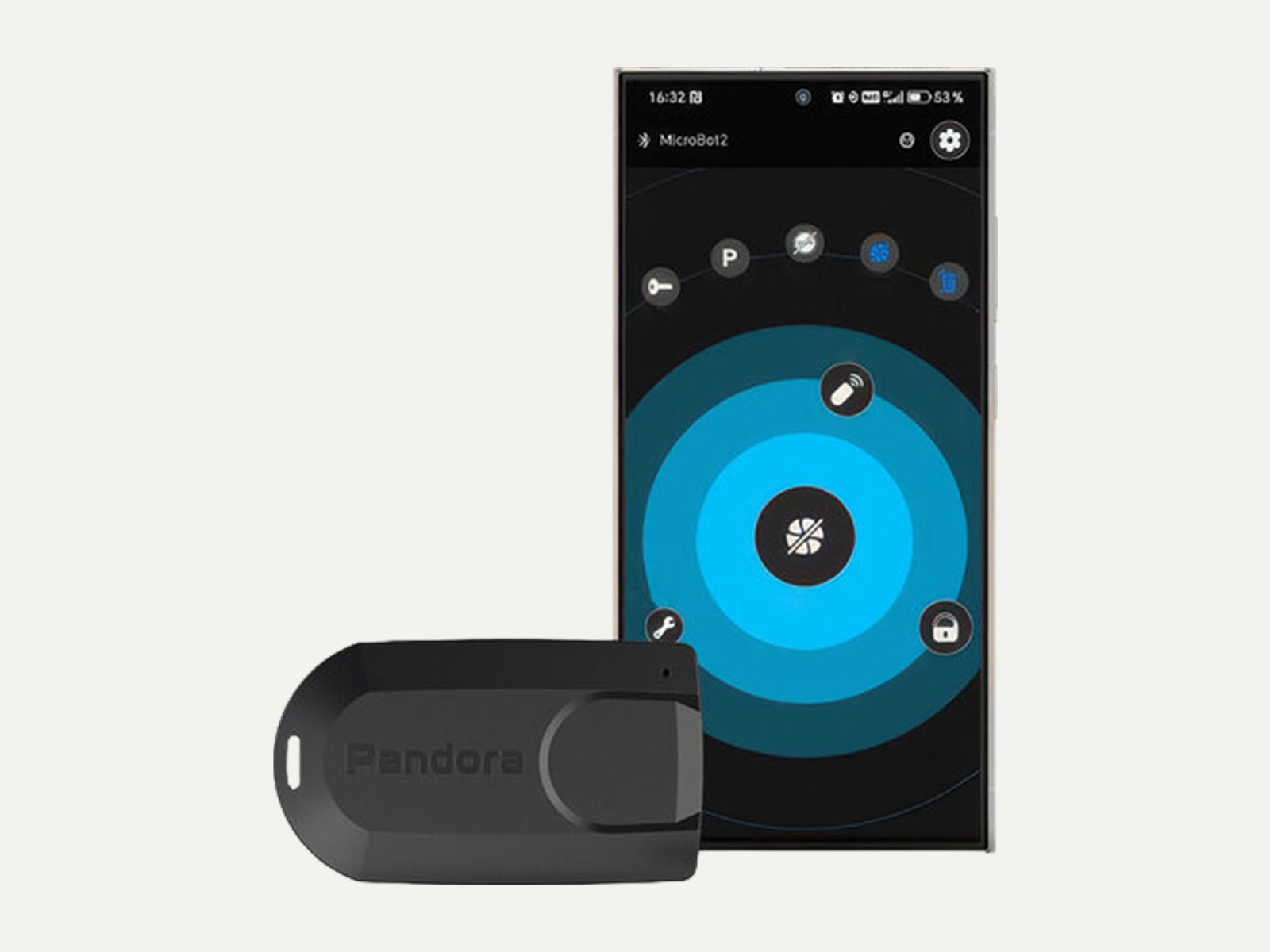
A CAN-bus immobiliser works independently of the car's own key system. Even when the car believes the right key is present, the engine won't start until the immobiliser is satisfied too. That means a PIN entered on the car's own buttons, a tag you carry, or your phone. A relayed signal, a newly programmed key or an injected message doesn't provide that, so the car stays put.
The immobilisers we fit
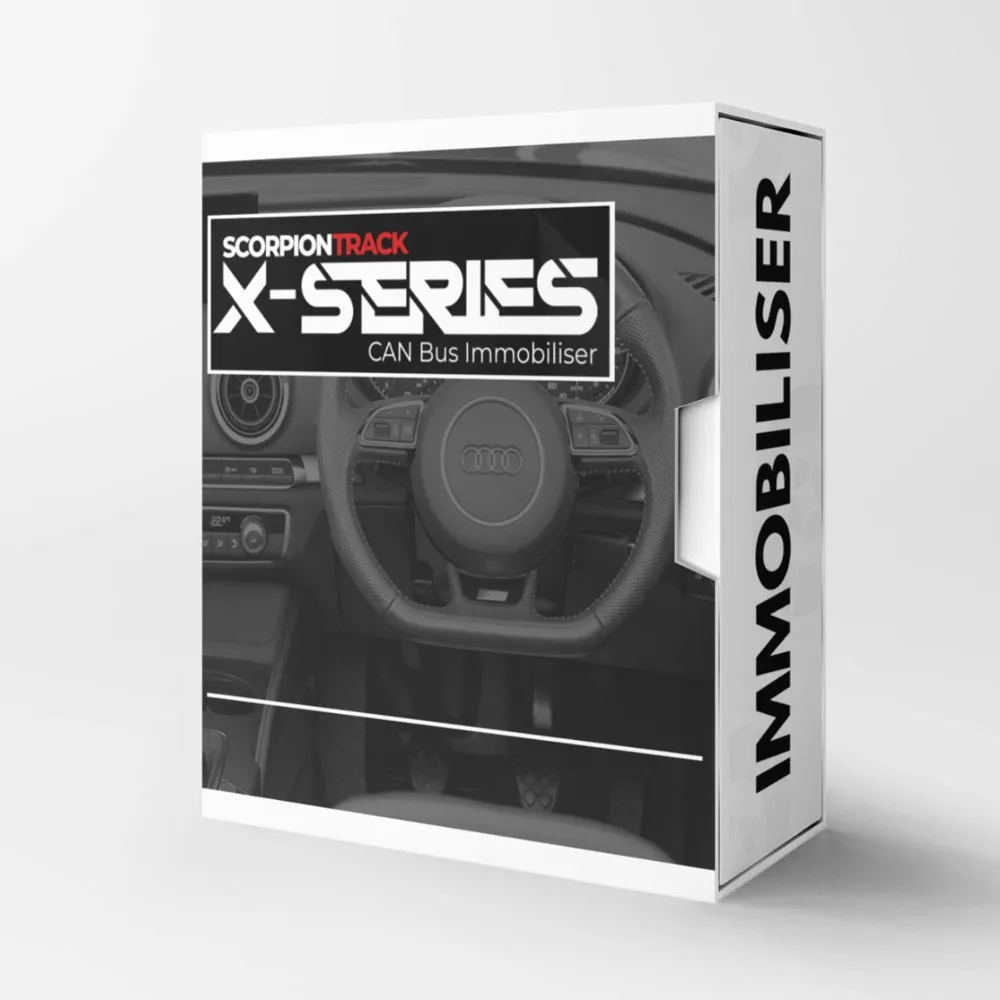
| Pandora Microbot | CAN-Phantom CP24 | Scorpion X-Series | |
|---|---|---|---|
| How you authorise | Tag, PIN on the car's buttons, or both; phone can act as the tag | PIN on the car's own buttons | PIN on the car's buttons, or a paired ScorpionTrack S5 tag |
| Thatcham | Category 2e | Not Thatcham-approved | Not Thatcham-approved |
| Subscription | None | Confirmed with your quote | None |
- Pandora Microbot: the choice if your insurer asks for a Thatcham-certified immobiliser.
- CAN-Phantom CP24: British-made, with nothing extra to carry.
- Scorpion X-Series: arms itself every time you switch off, and pairs with a ScorpionTrack S5 tracker so one tag covers both.
In the West Midlands
The West Midlands had the second-highest rate of vehicle crime in England and Wales in the year to March 2026, behind only London (ONS). West Midlands Police recorded 12,196 vehicles stolen in 2025, with Ford the most stolen make (West Midlands PCC).
Electronic theft is common enough that the law has changed: the Crime and Policing Act 2026 makes it an offence to possess or supply devices built for stealing vehicles. The government's factsheet cites Met Police figures that such devices are used in about 60% of vehicle thefts in London (GOV.UK). CAN injection isn't theoretical either: a Toyota RAV4 stolen that way in the UK in 2022 was documented by the security researcher who investigated it (Ken Tindell).
West Midlands Police and Staffordshire Police both publish advice on keyless theft, including keeping keys away from doors and windows and in a signal-blocking pouch (West Midlands Police, Staffordshire Police). An immobiliser covers the attacks a pouch can't.
Which system suits your car
It depends on the make, model and year, and on anything already fitted. Send us those details and we'll tell you which systems fit and what each costs, before anything is booked. See immobilisers for how the fitting works.
We work across Walsall, Sutton Coldfield, Birmingham, Solihull, Cannock, Wolverhampton and Stafford.